
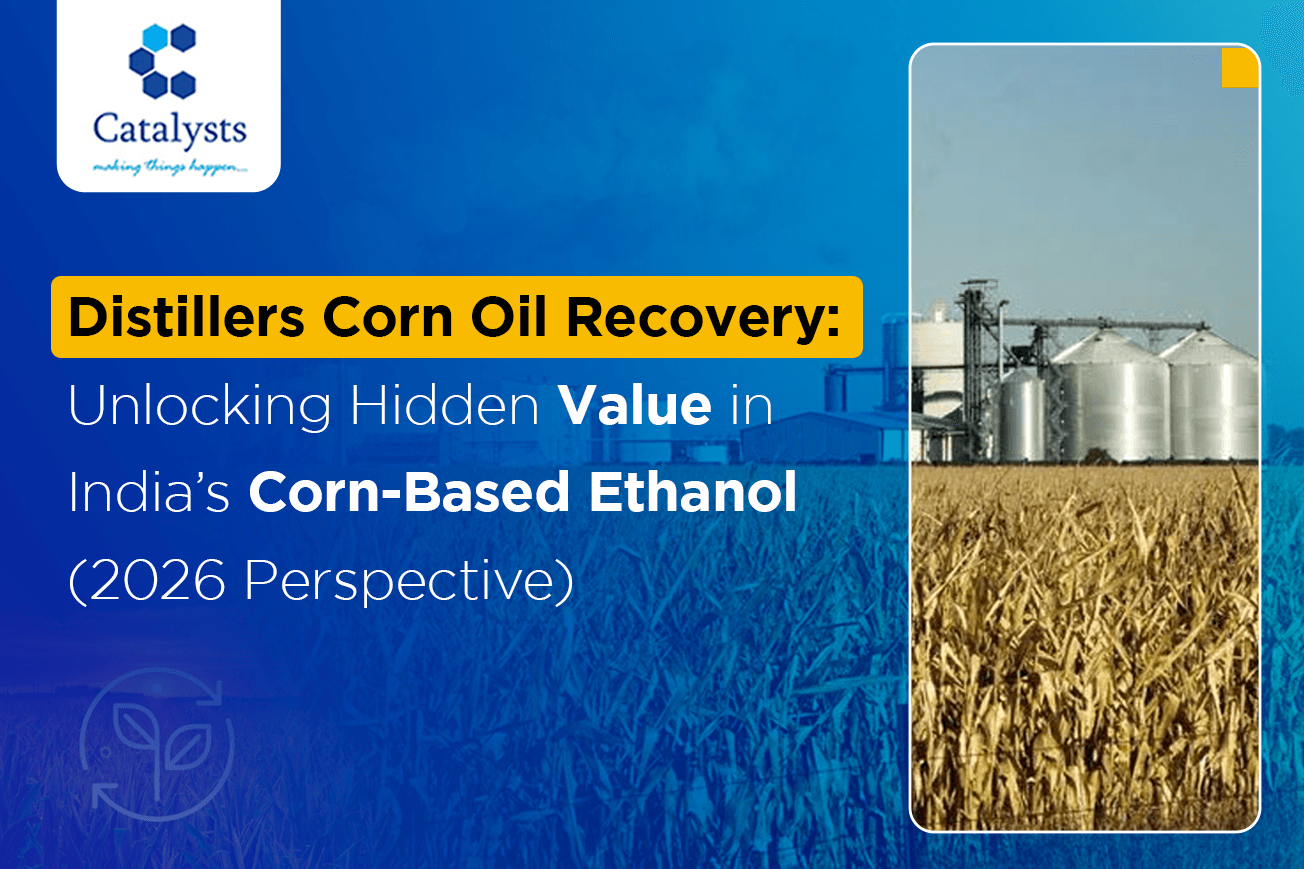
India’s Corn Ethanol Landscape: Policy Momentum & Structural Opportunity
As India enters 2026, the Ethanol Blended Petrol (EBP) programme has moved well beyond pilot stages into large-scale rollout, with blending levels rising from ~10% in earlier years to ~19–20% of petrol in the 2024–25 ethanol supply year and officially reaching 20% by late 2025 under the EBP framework.
While sugarcane continues to supply a significant portion of ethanol feedstock, maize (corn) has emerged as a key balancing feedstock, especially for grain-based distilleries; in recent ethanol supply allocations, maize accounted for the largest share of blended ethanol sources.
To sustain high blending levels and support potential future boosts beyond E20, India’s annual ethanol requirement is widely estimated at well over 10 billion litres (estimates up to ~13.5 billion litres for 20% blending).
Value insight: Whole corn kernels typically contain roughly 3–5% oil by weight, much of which currently ends up in DDGS (distillers dried grains with solubles) when not recovered. Residual oil in DDGS can exceed 9–14% of its weight, representing substantial economic value if recovered as Distillers Corn Oil (DCO).
Distillers Corn Oil (DCO): A Proven Co-Product Still Underutilised in India
Distillers Corn Oil (DCO) is a valuable co-product of dry-grind ethanol production, extracted from post-fermentation stillage before it is dried into DDGS. Without dedicated oil recovery systems, most of the
residual corn oil remains with the DDGS, limiting potential economic value capture. When mechanically separated and refined, DCO can achieve high purity suitable for applications in biodiesel and renewable diesel production, and as a high-energy fat supplement in animal nutrition, making it both an economic and a sustainability-aligned co-product. Market research places the global distillers corn oil sector in the multi-billion-dollar range as of 2024–26, with growth driven by expanding biofuel mandates and animal feed demand.
3. What the U.S. Experience Continues to Demonstrate
The U.S. ethanol industry provides a long-running operational benchmark for co-product strategies:
- The United States produces roughly 15.6–16+ billion gallons of fuel ethanol annually, with output concentrated among ~190–200 facilities.
- Most U.S. dry-grind ethanol plants employ mechanical separation technologies to extract corn oil from stillage prior to DDGS production, though adoption rates vary by facility and technology choice.
- Corn oil recovery influences coproduct profiles and feed product characteristics, supporting market uses in both animal nutrition and renewable fuel feedstocks.
- Advanced centrifuges, decanters and other mechanical separators are widely used to capture corn oil, reflecting coproduct integration as a standard part of modern ethanol operations.
- Taken together, U.S. industry practice shows that corn oil recovery is a commercially integrated feature of ethanol production, contributing to broader coproduct value alongside DDGS and biofuel streams.
4. Biological & Operational Levers Driving DCO Recovery
a) Enzymatic foundation
- Alpha-amylases lower mash viscosity, improving oil droplet mobility.
- Proteases disrupt protein–oil matrices, releasing bound oil.
- Glucoamylases reduce residual sugars and glycerol that stabilise oil emulsions
b) Operational integration
- Consistent mash quality and solids management
- Controlled feed rates to decanters and centrifuges
- Optimised demulsifier dosing
- Routine oil measurement at key process points
Together, biology and mechanical separation determine recovery efficiency—not equipment alone.
India’s Operating Reality in 2026:
Despite strong Ethanol Blended Petrol (EBP) programme momentum and accelerated distillery capacity expansion, many Indian ethanol plants continue to produce significant quantities of DDGS without dedicated corn oil recovery systems, meaning much of the potentially recoverable oil remains tied up in the feed coproduct rather than captured as a distinct revenue stream. Reports show DDGS output has grown substantially, underscoring this imbalance between ethanol capacity and co-product optimisation.
- Policy enablers are advancing structural support for grain-based ethanol production:
- State-level approvals (e.g., in Maharashtra) now allow distilleries that were primarily molasses-based to operate in dual-feed mode using maize and other grains year-round.
- Central incentives under EBP continue to support grain-based ethanol through pricing, feedstock flexibility, and blended petrol mandates.
While new processing technologies (including enzyme-aided separation and mechanical systems) show theoretical feasibility for enhanced corn oil recovery under Indian conditions, specific published performance benchmarks from Indian pilot trials (e.g., exact oil concentration uplift figures) are not currently available in the public domain.
6. 2026 and Beyond: Economics, Resilience & Value Creation
As India stabilises E20 blending and shifts focus from capacity expansion to economic optimisation, co-product recovery such as distillers corn oil (DCO) is increasingly relevant to margin resilience rather than discretionary optimisation.
- Improved DDGS composition through oil removal enhances product consistency and usability in animal feed markets.
- DCO can strengthen India’s biodiesel feedstock pool and support future renewable fuel pathways, aligning with broader energy security and circular-economy objectives.
- At industry scale, wider adoption of enzyme-supported oil release and mechanical separation technologies offers the potential to unlock meaningful incremental value from existing corn processing volumes, without increasing ethanol capacity.
7. Conclusion: From Volume Expansion to Value Maturity
By 2026, India’s ethanol sector will be increasingly shifting from a phase dominated by capacity expansion toward one where value optimisation across feedstocks and co-products is gaining importance. Corn has firmly established itself as a strategic ethanol feedstock, and global experience demonstrates that allowing recoverable oil to remain embedded in DDGS represents a missed value opportunity.
Distillers Corn Oil recovery offers a practical and well-established pathway to:
- Strengthen overall plant economics
- Improve consistency and usability of co-products
- Contribute to biodiesel supply and longer-term renewable fuel ecosystems
For Indian ethanol producers, the next phase of progress is not defined solely by producing more ethanol, but by capturing the full value embedded in every tonne of corn processed.
#DistillersCornOil #EthanolRecovery #Ethanol #Maize #DistillersDriedGrains #Stillage
Recent Posts
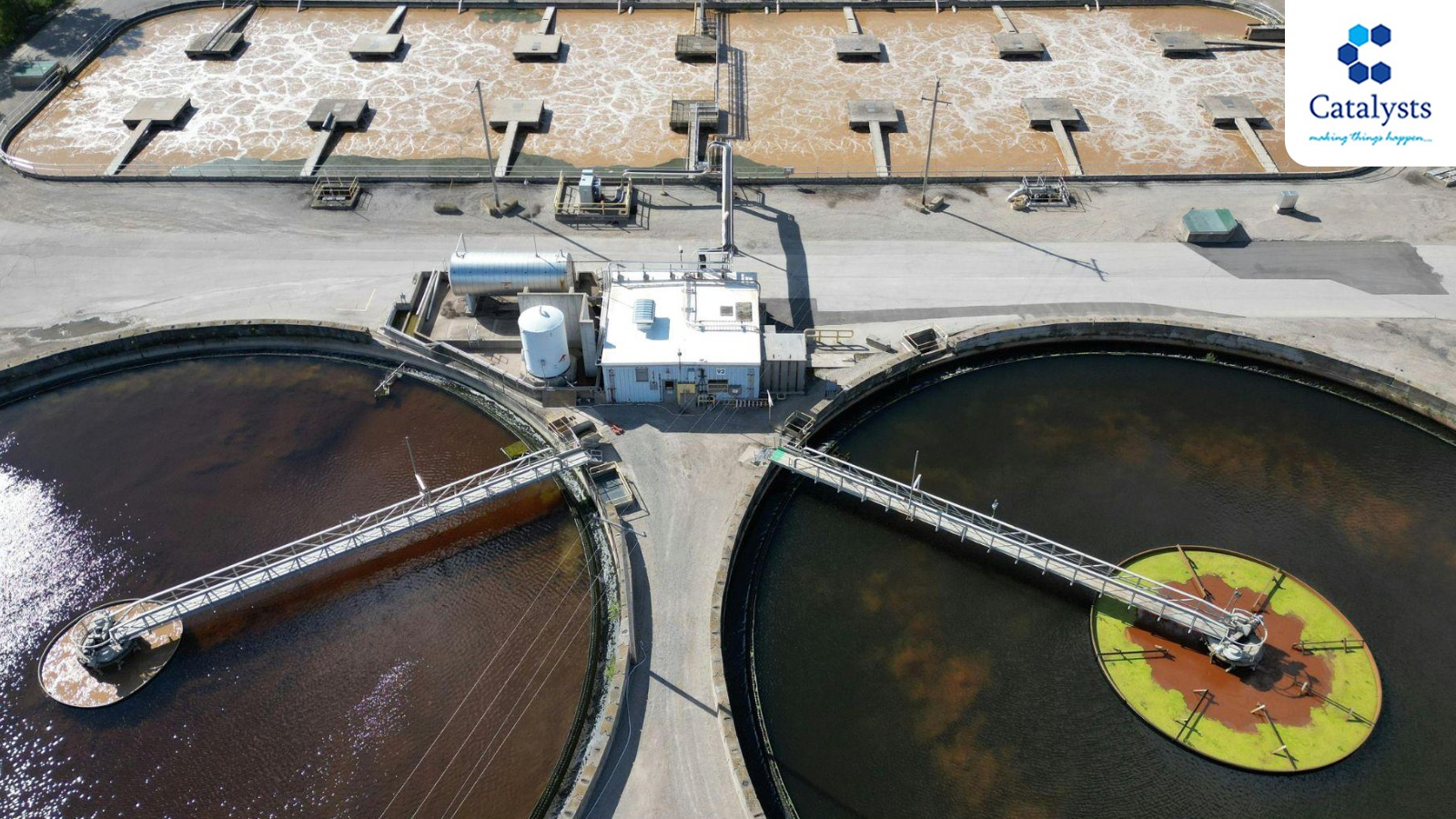
Enzytreat Advance - Creating a Stable Foundation for High-Performance
Discover Enzytreat Advance, your solution for building a stable foundation that enhances high-performance. Unlock your potential today!
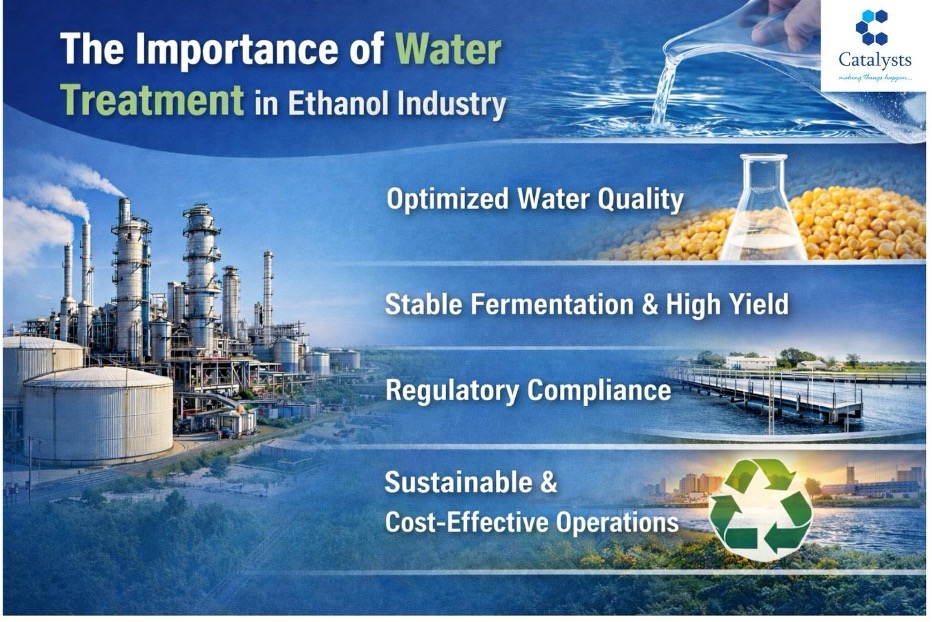
Importance of Water Treatment in the Ethanol Industry
Discover the critical role of water treatment in the ethanol industry, ensuring sustainability, efficiency, and compliance with environmental standards.
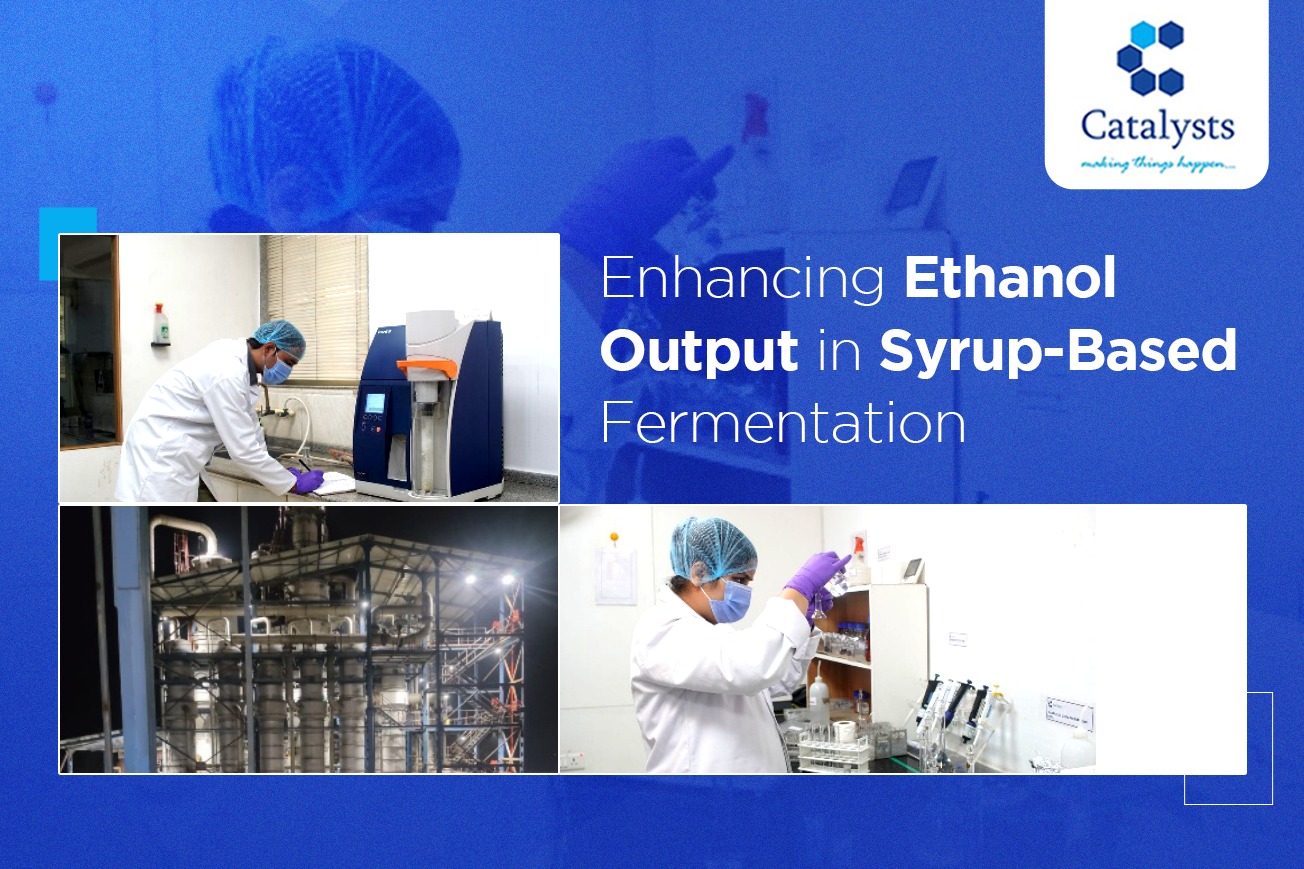
Case Study: Enhancing Ethanol Output in Syrup-Based Fermentation
Discover how enhancing syrup-based fermentation can significantly boost ethanol output. Explore our in-depth case study for innovative insights and strategies.
Catalysts Connect
Keep up to date with our latest news and analysis by subscribing to our regular magazine and newsletter
Post a comment
Your email address will not be published.