

Grain-based fermentation is one of the most vital industrial processes in the world today. From producing fuel ethanol that powers vehicles, to alcoholic beverages that drive the brewery industry, to starch and specialty products that feed food and pharma applications—grains are the backbone of multiple value chains.
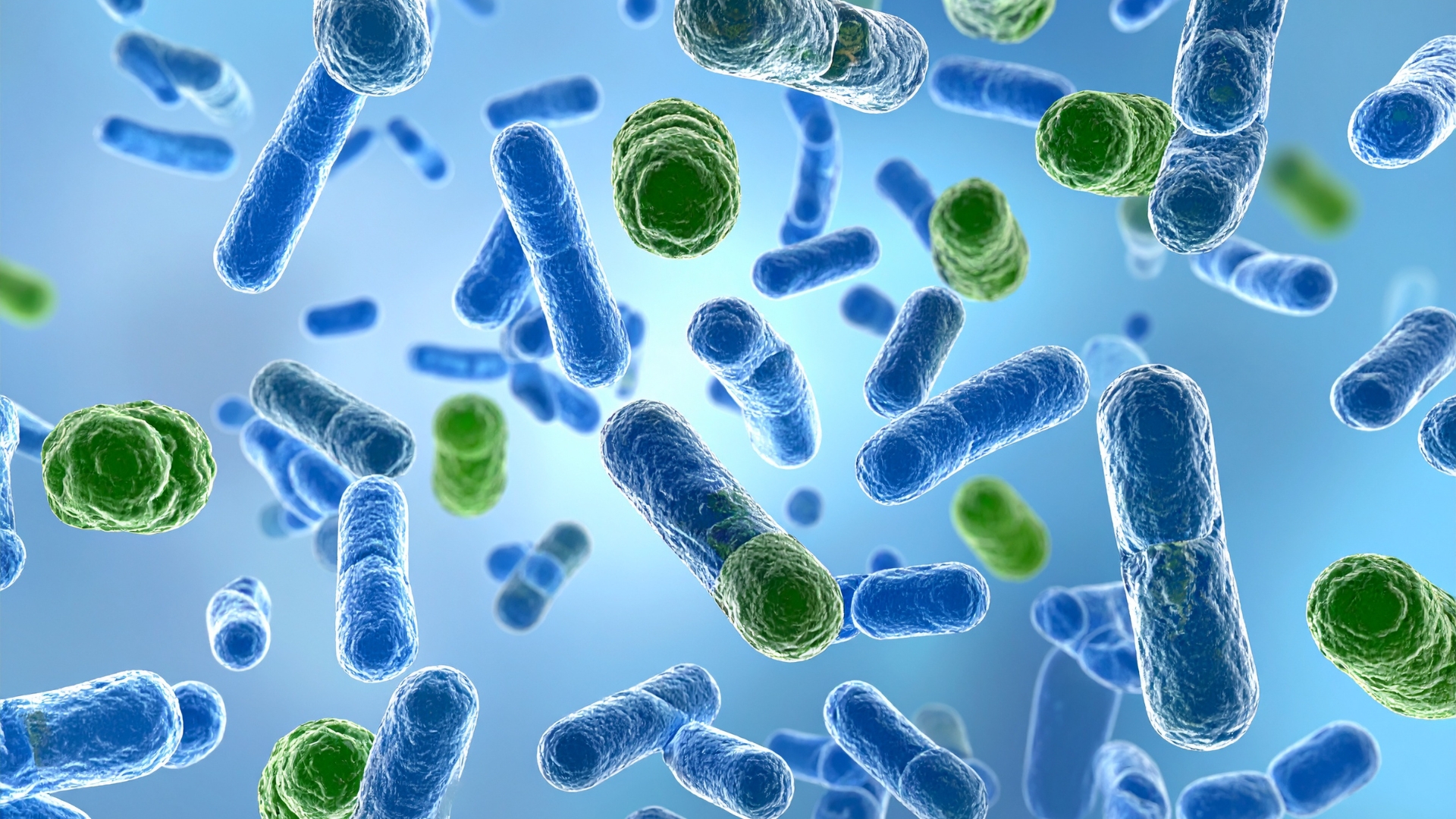
Yet, this journey from raw grain to finished product is rarely straightforward. A hidden enemy often undermines efficiency and profitability: bacterial contamination. While invisible to the naked eye, contaminant microbes such as Lactobacillus, Pediococcus, and other lactic acid bacteria are responsible for serious yield losses, higher costs, and operational headaches in distilleries and starch plants worldwide.
Understanding why contamination occurs, how it damages fermentation, and how modern biocidal solutions can prevent these problems is essential for every grain processor striving for maximum efficiency.
Why Does Bacterial Contamination Occur in Grain Fermentation?
Grains are rich in starch, protein, and natural microflora. Even after cleaning and milling, they carry a microbial load. When grains undergo liquefaction and saccharification, the starch breaks down into simple sugars—creating an environment rich in nutrients. Combined with warm fermentation temperatures (30–35degC) and moisture-rich conditions, this becomes an ideal breeding ground for contaminant bacteria.
The major culprits include:
- Lactobacillus spp. – These bacteria consume fermentable sugars and produce lactic acid, lowering pH and inhibiting yeast activity.
- Pediococcus spp. – Producers of exopolysaccharides (EPS), which increase viscosity and cause sticky mashes that are hard to pump or mix.
- Other wild bacteria – Compete directly with yeast, producing unwanted by-products like acetic acid, diacetyl, or off-flavors in beverages.
In short, the same conditions that help yeast thrive also favor bacteria—unless effective microbial control measures are in place.
The Hidden Damage Contamination Causes
Much like dextran is the invisible enemy of the sugar industry, bacterial contamination is the silent yield killer of the grain industry. Its impact is felt across multiple stages:
-
Lower Fermentation Yields
Contaminant bacteria divert sugars away from ethanol production, cutting yield by 2–4%. In a 200 KLPD distillery, even a 2% drop means a loss of thousands of liters per day. -
pH Drop and Yeast Stress
Lactic and acetic acids accumulate, lowering pH. Yeast struggles to ferment efficiently under acidic stress, slowing down cycles and risking incomplete fermentation. -
Increased Viscosity and Foaming
EPS-producing bacteria make the mash sticky and foamy. This complicates pumping, mixing, and CO2 release, and often requires additional defoamers or mechanical interventions. -
Energy and Steam Loss
Extended or stuck fermentations lead to reprocessing and higher steam consumption, increasing operational costs. -
Product Quality Issues
In breweries, contamination causes off-flavors and inconsistent beer quality. In fuel ethanol plants, it reduces ethanol concentration and raises impurities. -
Financial Losses
Even mild contamination (10deg–10deg CFU/mL bacterial load) can cost plants millions annually through reduced yield, increased downtime, and higher chemical usage.
Why Biocides Are the Solution ?
Mechanical cleaning and good hygiene are essential, but once contamination takes hold inside a fermenter, they are not enough. Biocidal solution are the only proven way to selectively suppress harmful bacteria while allowing yeast to thrive.
Unlike harsh disinfectants, modern aformulations are designed to:
- Target bacterial metabolism without affecting yeast.
- Stabilize fermentation pH and sugar conversion.
- Provide consistent performance across diverse plant conditions.
This is where The Catalysts Group's biocidal solutions portfolio makes a decisive difference.
Enzytreat – Safeguarding Clean Fermentation
Enzytreat is a broad-spectrum biocidal solution tailored for the grain industry.
How it Works
- Inhibits lactic acid bacteria and other unwanted microbes.
- Maintains yeast health by preserving sugars for ethanol conversion.
- Ensures stable fermentation kinetics.
Benefits for Plants
- Higher ethanol yield from every ton of grain.
- Reduced risk of stuck or slow fermentations.
- Consistent cycle times and lower operational variability.
With Enzytreat, plants gain first-line protection against common contaminants, ensuring smooth and reliable operations.
Bactosafe DF – Dual Protection for Distilleries
Bactosafe DF is engineered for fuel ethanol plants and distilleries, where contamination pressures are high.
Unique Advantages
- Provides dual protection by targeting both acid-producing bacteria and EPS-forming bacteria.
- Keeps pH in the optimal range, preventing yeast inhibition.
- Reduces mash viscosity, ensuring smooth pumping and mixing.
Factory Impact
- Increased ethanol recovery per batch.
- Lower downtime caused by foaming and high viscosity.
- Reduced need for corrective chemicals, saving costs.
For large-scale distilleries, Bactosafe DF is a robust shield against productivity losses.
Bactoshield – Long-Lasting Biocide Protection
Bactoshield is an advanced biocidal solution developed for situations where long-term microbial control is critical.
How it Works
- Provides extended activity across multiple fermentation cycles.
- Prevents bacteria from adapting or building resistance.
- Remains effective even under fluctuating plant conditions.
Key Benefits
- Sustained fermentation stability.
- Consistently lower bacterial counts.
- Higher reliability and fewer performance fluctuations.
Bactoshield ensures processors don't just solve contamination problems temporarily, but keep them under control season after season.
The Catalysts Advantage
At The Catalysts Group, biocidal solutions are more than just products—they are part of an integrated fermentation strategy. We work closely with clients to optimize:
- Dosage – Tailored to contamination load and plant conditions.
- Application points – Ensuring maximum contact and efficiency.
- Monitoring support – Helping plants track bacterial load and adjust treatments proactively.
Our solutions rest on three pillars:
- Efficiency – Stronger yeast performance, faster cycles.
- Recovery – More ethanol per ton of grain.
- Profitability – Lower energy, downtime, and chemical costs.
With decades of expertise and global references, we have demonstrated that Enzytreat, Bactosafe DF, and Bactoshield deliver measurable improvements in plant performance.
Conclusion
Microbial contamination is a silent but costly problem in grain-based fermentation. By competing with yeast, lowering pH, and producing sticky by-products, bacteria can slash yields, raise costs, and disrupt plant efficiency. Left unchecked, the financial consequences are enormous.
But with the right biocide strategy, contamination can be controlled—and even turned into an opportunity for better efficiency.
By applying Enzytreat, Bactosafe DF, and Bactoshield, processors can secure clean fermentations, stable performance, and maximum recovery from every ton of grain.
For an industry where every liter of ethanol counts biocides are no longer optional—they are essential.
Recent Posts

Dextran in Sugarcane Processing: The Hidden Obstacle and How Enzymes Provide the Answer
Sugarcane is the lifeline of the sugar industry, but the journey from freshly cut cane to refined sugar is often disrupted by a silent intruder—dextran. Although invisible to the naked eye, dextran poses one of the most persistent challenges in sugar processing
Bactoferm: Redefining Antimicrobial Protection in Grain and Molasses Fermentation
Fermentation is at the heart of grain- and molasses-based industries, driving the production of bioethanol, alcoholic beverages, starch derivatives, and other high-value products.

DON’T WAIT, ELIMINATE: TACKLING MICROBIAL CHALLENGES IN SUGARCANE PROCESSING
Sugarcane processing is a race against time. Once cane is cut, its juice becomes a nutrient-rich medium where microbial growth takes off rapidly.
Catalysts Connect
Keep up to date with our latest news and analysis by subscribing to our regular magazine and newsletter
Post a comment
Your email address will not be published.